A few years ago, if someone wanted to learn something, they’d probably Google it. Today? They’re opening TikTok and typing right into the search bar.
Need a restaurant recommendation before a trip? TikTok. Trying to figure out how to style your new curtain bangs? TikTok. Wondering if that viral skincare product is actually worth the money? You guessed it, TikTok.
As ones who spend way too much time on social media (an occupational hazard as a marketer), we’ve noticed something interesting. Consumers don’t just use short-form video for entertainment anymore. They’re using it to make decisions. Whether it’s deciding where to eat, what to wear, which products to buy, or even which brands they trust, short-form video has become part of the decision-making process.
There have been countless times where we’ve all opened TikTok to look up one thing and somehow ended up twenty videos deep, learning about apartment decorating, makeup routines, and restaurants we save for when we’re in the area. The scary part is that we are not the only ones doing it. Millions of people are using social media in the exact same way.
That changes everything for businesses.
The “TikTok Made Me Buy It” Effect
If you’ve ever purchased something because you saw it in a Reel or TikTok, congratulations, you’re part of the reason marketers are obsessed with short-form video. The hashtag #TikTokMadeMeBuyIt has generated billions of views over the years, and it’s easy to understand why.
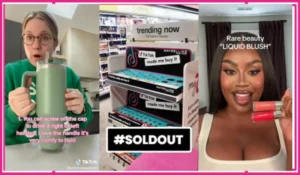
Think about the rise of products like the Stanley Quencher, Rare Beauty blush, Bubble skincare, or even overnight heatless curlers. None of these products became household names because people saw a billboard on the side of the highway. They became popular because thousands of creators started talking about them online. One video turned into ten, ten turned into a hundred, and before long, it felt like everybody had one.
The Stanley Quencher is one of the best examples of this phenomenon. A water bottle somehow became one of the most sought-after products on social media. If you had told someone ten years ago that people would be lining up for a giant tumbler, they probably would’ve laughed. Yet creator reviews, aesthetic videos, and lifestyle content helped turn a simple product into a cultural moment.
The same thing happened with Rare Beauty. Instead of relying solely on traditional advertising, the brand benefited from creators showing their products in action. Viewers watched people test the blush, share honest reviews, and demonstrate how they used it in their daily routines. Suddenly, everyone wanted to know what shade they were wearing.
Simon Sinek once said, “People don’t buy what you do; they buy why you do it.” That quote feels especially relevant today. Consumers don’t just want to know what a product does. They want to know who uses it, why they love it, and whether it’s actually worth their money. Seeing a product in a real person’s hands often feels much more trustworthy than seeing it in a traditional advertisement.
Why Perfect Content Isn’t Winning Anymore
One of the biggest surprises in social media marketing right now is that the most expensive content isn’t always the most effective. A professionally produced commercial can completely flop, while a shaky iPhone video filmed in someone’s car can generate millions of views.
Make it make sense, right?
The reality is that audiences have become incredibly good at spotting content that feels forced. We all know that feeling when an influencer suddenly starts talking about a product they’ve clearly never touched before. The comments usually clock it within five minutes of the post being up.
People want authenticity. They want behind-the-scenes moments, honest reviews, and genuine experiences. This is one reason creator-generated content continues to perform so well. It feels less like advertising and more like a recommendation from a friend.
Consumers don’t necessarily want perfection anymore. They want relatability. Think about some of the content you personally stop to watch. It’s probably not a perfectly scripted commercial. It’s a creator showing their morning routine, sharing a funny story, testing a product, or giving advice. People connect with people, and brands are finally starting to realize that.
One reason this shift has happened is that consumers are exposed to more content than ever before. According to estimates, the average person sees thousands of marketing messages every single day! When you’re constantly being advertised to, you become pretty good at recognizing what’s genuine and what’s not.
Social Media Has Become the New Search Engine
When we were younger, if we wanted to learn something, we Googled it. Now? We’re probably watching a TikTok about it.
Whether someone is looking for vacation recommendations, apartment decorating ideas, makeup tutorials, product reviews, or even career advice, social media has become the first stop for many consumers. It feels faster, more visual, and honestly more trustworthy because you’re seeing real people share real experiences.
Think about it, would you rather read a restaurant review or watch someone actually eat there? Would you rather read about a product or watch someone test it in real time? The answer is pretty obvious.
This shift has forced businesses to rethink what social media actually is. Years ago, a company might have treated Instagram as a place to post occasional updates and company news. Today, a potential customer could discover your business, learn about your services, read reviews, and make a purchasing decision without ever visiting your website.
For brands, social media isn’t just a marketing channel anymore. It’s a search engine, customer service department, portfolio, and first impression, all rolled into one.
The Three-Second Challenge
One thing we’ve learned is that social media moves fast. Really fast. You could have the best advice in the world, the perfect product, and a fantastic offer, but none of it matters if nobody sticks around long enough to hear it.
That’s why marketers obsess over hooks. Every video is competing against travel vlogs, celebrity drama, GRWMs, dog videos, recipes, and whatever niche rabbit hole TikTok decides to send you down that day. If a video doesn’t immediately answer the question, “Why should I care?” most people are already scrolling.
It’s also why short-form video has become such an important skill for brands. The companies that can capture attention quickly are often the ones consumers remember.
One thing we have seen is that there’s a lot more strategy behind content than people realize. Before a video ever gets posted, there’s brainstorming, content planning, audience research, and discussions about how to capture attention quickly. Good content might look effortless, but there’s usually a lot happening behind the scenes.
A Brand We Can All Learn From? Duolingo
Few brands understand internet culture quite like Duolingo.
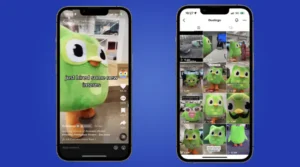
If you’ve spent any time on TikTok, you’ve probably seen Duo, the slightly chaotic green owl who somehow became one of the most recognizable brand mascots online. What’s interesting is that Duolingo rarely spends time directly selling language courses. Instead, they focus on creating content people actually want to watch.
The lesson isn’t that every brand needs a chaotic mascot, it is that consumers don’t open social media hoping to watch advertisements. They open social media hoping to be entertained. Duolingo understands this better than most brands. Their content feels like it belongs on TikTok. It participates in trends, references pop culture, and has developed a personality that audiences recognize immediately.
Other brands have followed a similar approach. Scrub Daddy, Ryanair, and even the New York Aquarium have built impressive social media followings by creating content that feels native to the platform rather than commercial. The brands winning attention today aren’t necessarily spending the most money. They’re creating content that people genuinely enjoy watching.
What This Means For Businesses
If consumer expectations continue moving in this direction, businesses should focus on a few key things:
- Show personality and let your audience get to know the people behind the brand.
- Focus on providing value before trying to sell something.
- Create content consistently instead of waiting for perfection.
- Make the first three seconds count.
- Treat social media like a conversation, not a billboard.
Consumers have more choices than ever before. The brands that stand out are the ones that make people feel something, whether that’s entertained, informed, inspired, or understood.
The Takeaway
Ultimately, short-form video has changed far more than social media feeds. It has changed the way people discover products, research businesses, and decide which brands deserve their attention. Consumers expect information faster than ever before, but they also expect authenticity. They want brands that feel human, relatable, and worth paying attention to.
Whether you’re a creator building a personal brand, a small business owner trying to attract customers, or a company looking to strengthen your online presence, understanding how consumers use short-form video is no longer optional. The brands that adapt to these changing expectations will be the ones people remember.
Looking to create content that captures attention and builds meaningful connections with your audience? Check out our Social Media Marketing services here or contact Power Move Marketing here to learn how our team can help your business stand out online.